A weightlifting belt helps you brace your core and lift heavier on squats and deadlifts by giving your abs something to push against, increasing intra-abdominal pressure and spinal stability. The best belts are sturdy and fit securely. We compared the top weightlifting belts for 2026 on support, durability, and ease of use.
Putting together your home gym? See our guides to the lifting straps, knee sleeves, and wrist wraps too.
Genuine Leather Weightlifting Belt, 4-Inch with Double Prong Buckle

Product Description
Topping our list, the Genuine Leather Weightlifting Belt, 4-Inch with Double Prong Buckle braces your core for heavier, safer squats and deadlifts. It is a smart buy for anyone who wants dependable results without overspending.
Element 26 Self-Locking Nylon Weight Lifting Belt, 4-Inch

Product Description
A standout pick, the Element 26 Self-Locking Nylon Weight Lifting Belt, 4-Inch braces your core for heavier, safer squats and deadlifts. Build quality, value, and strong owner reviews all make it easy to recommend.
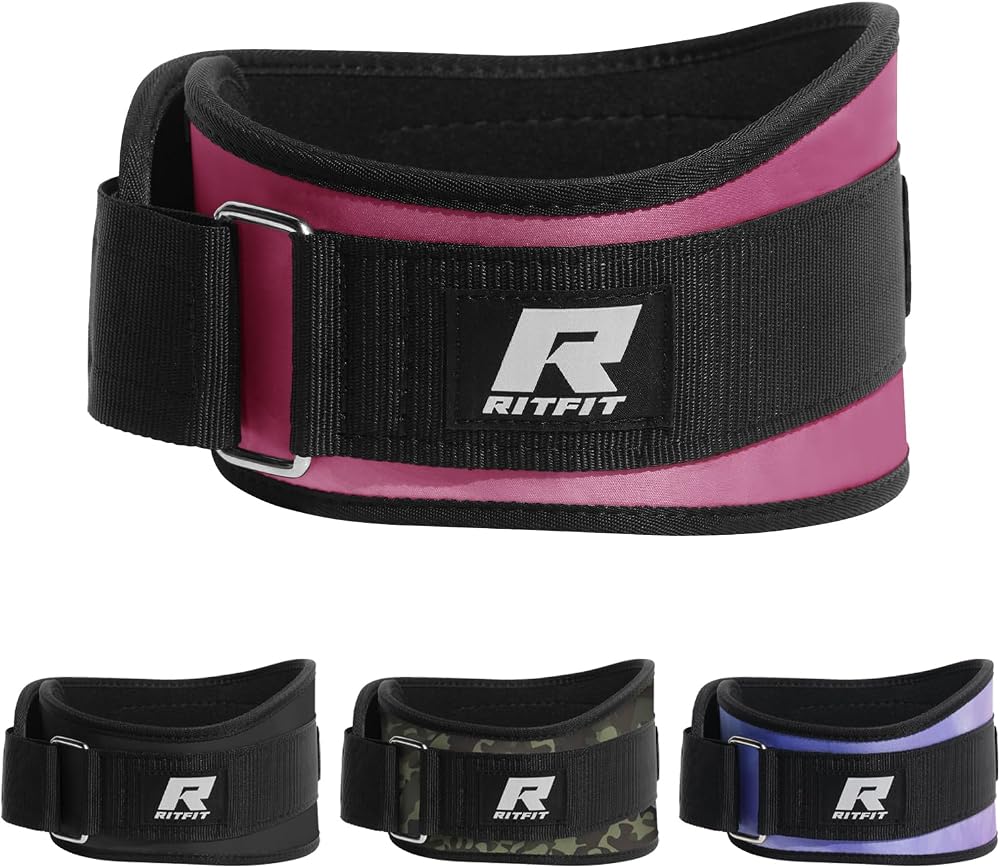
RitFit Weight Lifting Belt, 6-Inch for Squats & Deadlifts
Product Description
A reliable everyday option, the RitFit Weight Lifting Belt, 6-Inch for Squats & Deadlifts braces your core for heavier, safer squats and deadlifts. It balances performance and price, which is exactly what most routines need.
Self-Locking Weight Lifting Belt with Core & Back Support

Product Description
A favorite among gym-goers, the Self-Locking Weight Lifting Belt with Core & Back Support braces your core for heavier, safer squats and deadlifts. Thousands of happy owners and a sensible price round out the appeal.
Padded Leather Dip Belt with 40-Inch Strap for Pull-Ups

Product Description
Rounding out our roundup, the Padded Leather Dip Belt with 40-Inch Strap for Pull-Ups braces your core for heavier, safer squats and deadlifts. It earns its spot with everyday reliability and great feedback from buyers.
How to Choose the Best Weightlifting Belts
Leather belts are stiff and durable, offering maximum support for heavy powerlifting, while nylon and self-locking belts are more flexible and quicker to adjust, ideal for general training and CrossFit. A consistent width (commonly 4 inches) supports the core evenly, and a secure buckle, prong, lever, or self-locking, keeps it tight under load. Look for solid construction and a comfortable fit at your natural waist. Match the belt to your training, serious lifters favor stiff leather, while versatility seekers prefer nylon.
Frequently Asked Questions
Do I really need a weightlifting belt?
A belt helps you brace harder and lift heavier safely on max-effort squats and deadlifts, but it is not necessary for light or general training. Build core strength first, then add a belt for your heaviest lifts.
Leather or nylon weightlifting belt?
Leather belts are stiffer and offer maximum support for heavy powerlifting, while nylon belts are more flexible, comfortable, and quick to adjust for general training. Choose based on how heavy and how often you lift.
Where should I position a weightlifting belt?
Wear the belt around your natural waist, roughly over the belly button, snug enough to brace against but with room to expand your stomach as you breathe in. It should feel secure without pinching or restricting your breath.
Final Thoughts
Any of these picks will support your training, so let your budget and goals guide the choice. Each product above links directly to Amazon, where you can check current pricing, read owner reviews, and see the latest deals before you buy. Prices and availability change often, so it pays to compare before checkout.
As an Amazon Associate we earn from qualifying purchases. This post contains affiliate links, which means we may earn a commission at no extra cost to you.