VSP Finds is reader-supported. When you buy through links on our site, we may earn an affiliate commission at no extra cost to you.
A pizza stone turns your home oven into a pizzeria, absorbing moisture for a crisp, evenly browned crust on pizza and fresh bread. We compared the most popular ceramic, cordierite, and steel options on Amazon for heat retention, durability, and value. Here are the best pizza stones of 2026.
Cordierite Pizza Stone

Product Description
A durable cordierite stone that withstands high heat and thermal shock, drawing moisture from the dough for a crisp, evenly baked crust.
Ceramic Pizza Stone

Product Description
An affordable ceramic stone that delivers a crisp crust for pizza and bread, a great entry point for home bakers.
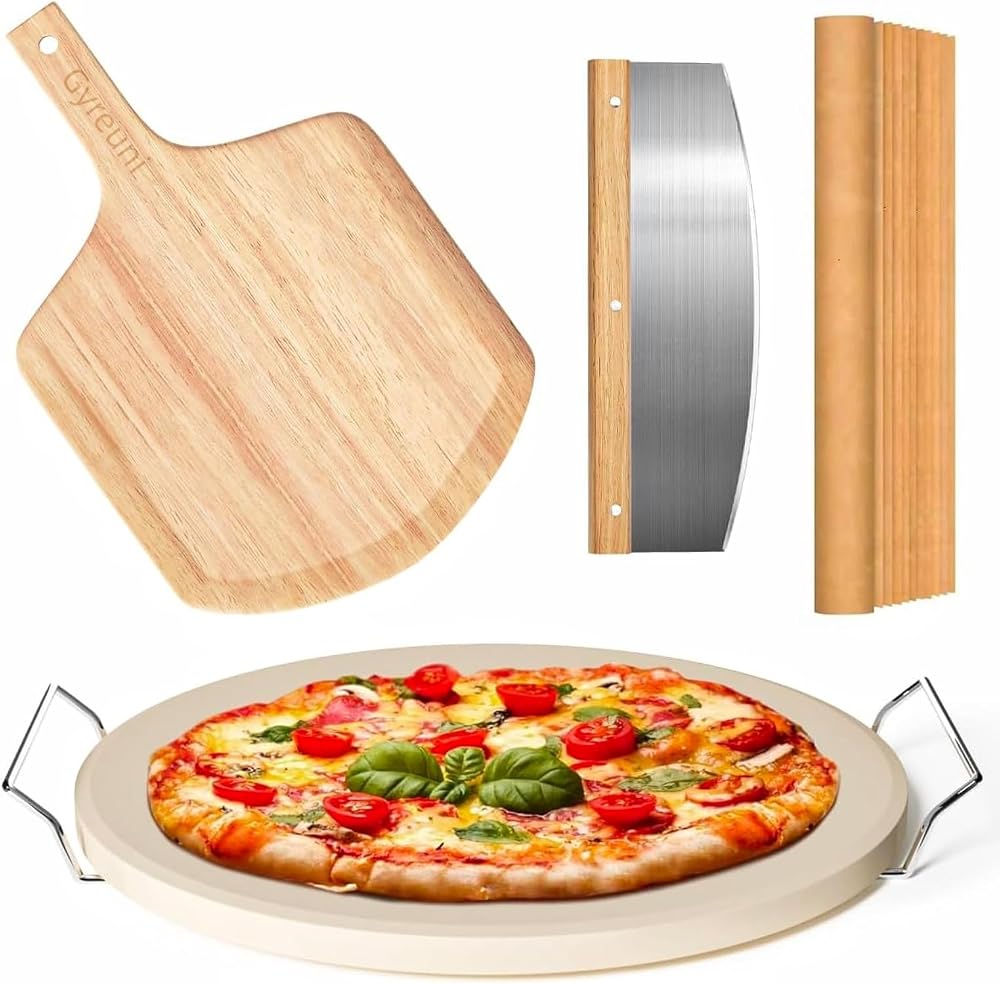
Pizza Stone with Rack
Product Description
A stone set with a sturdy carrying rack so you can move and serve safely, ideal for the grill as well as the oven.
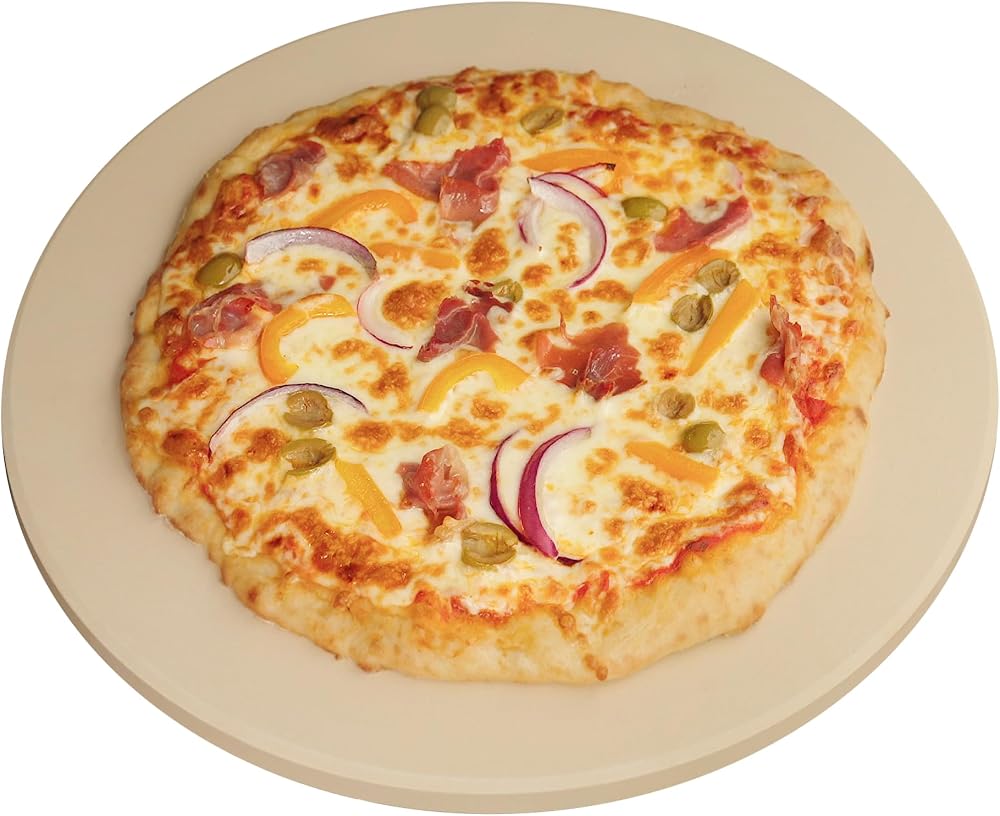
Pizza Steel
Product Description
A heavy steel baking surface that conducts heat faster than stone for an even crispier, faster crust, the choice for serious pizza fans.
How to choose a pizza stone
Decide between stone and steel. Stones (cordierite or ceramic) are affordable, hold heat well, and wick moisture for a classic crisp crust; cordierite resists cracking from thermal shock better than plain ceramic. Pizza steel conducts heat faster and transfers it more aggressively, producing an even crispier, faster-cooked crust closer to a real pizza oven, but it is heavier and pricier. Choose stone for value, steel for the best browning.
Size, thickness, and fit matter. Measure your oven (and grill, if you will use it there) and pick the largest stone or steel that fits with airflow around the edges. A thicker stone holds more heat for back-to-back pizzas but takes longer to preheat. Round stones suit single pizzas, while rectangular ones also handle bread, calzones, and multiple flatbreads.
Durability and handling round it out. Cordierite and steel tolerate high heat and repeated use best; avoid sudden temperature changes with ceramic to prevent cracking. Steel is heavy, so a model with handles or a rack is easier and safer to move. Stones should never be washed with soap (they are porous); steel needs a light oil seasoning to prevent rust, much like cast iron.
Stone vs. steel
Always preheat the stone or steel with the oven for 30 to 60 minutes at your highest temperature before baking; a fully heated surface is what creates the crisp bottom crust. Launch the pizza with a floured or cornmeal-dusted peel so it slides off cleanly.
Never wash a stone with soap, since it is porous and will absorb it; scrape off residue and wipe with a damp cloth once cool. Season a pizza steel lightly with oil and dry it thoroughly to prevent rust, and let either surface cool fully before cleaning to avoid cracking or warping.
Related kitchen guides
Pair it with the best cast iron skillets, best bread makers, and best cookware sets. Browse everything on our Kitchen Tools hub.
Pizza stone FAQ
How long do I preheat a pizza stone? Preheat it with the oven at your highest temperature for 30 to 60 minutes. A fully heated stone or steel is what crisps the bottom crust the moment the dough hits it.
Stone or steel — which is better? Steel conducts heat faster for an even crispier, quicker crust and is more durable, while a cordierite stone is lighter, cheaper, and still delivers an excellent crust. Both beat baking on a sheet pan.
Final Thoughts
A pizza stone or steel is the cheapest upgrade to dramatically better homemade pizza and bread. The cordierite stone is the best-value all-rounder, while pizza steel delivers the crispest, fastest crust for enthusiasts. Preheat fully, skip the soap, and enjoy pizzeria results at home.